
HungryMarkley
My cat woke me up every morning for breakfast, so I'm building a feeder that recognizes the cat with a camera and dispenses a portion on schedule. I get to sleep in.
Coming soonWhatever's tedious or overpriced enough to fix myself.
My cat woke me up every morning for breakfast, so I'm building a feeder that recognizes the cat with a camera and dispenses a portion on schedule. I get to sleep in.
Coming soon
Started as a debate with my best friend over how fitness watches actually estimate VO2 max. It turned into a portable mask that measures it directly instead of guessing.
View project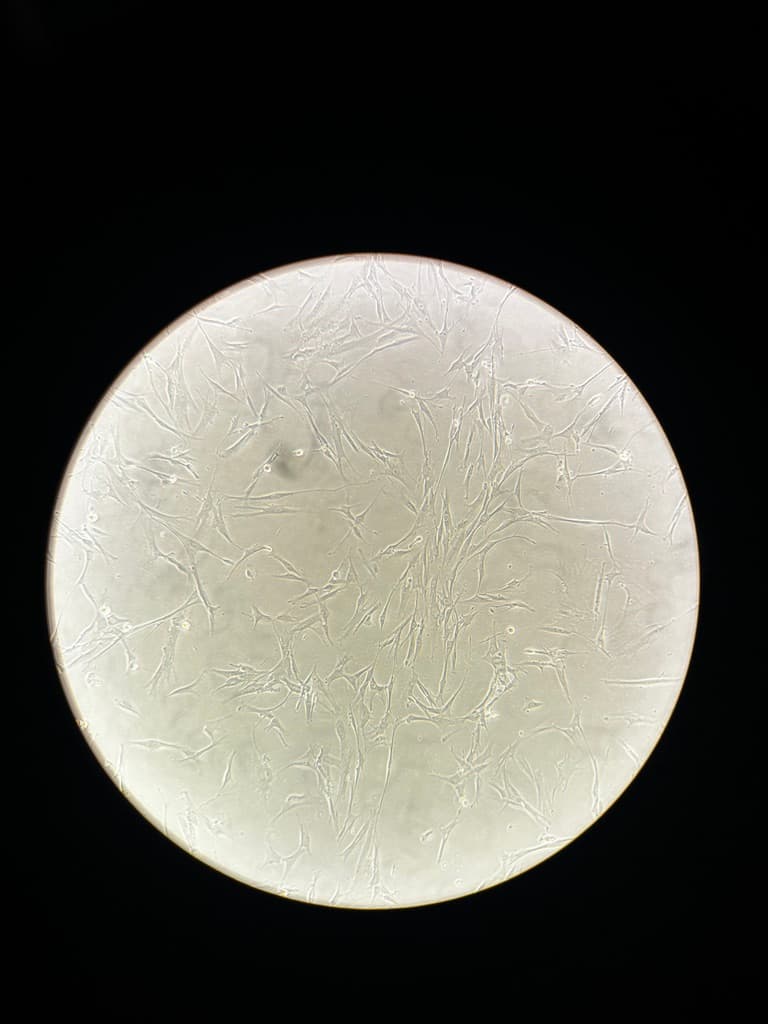
Counting cells under a microscope was the most mundane, repetitive part of my research, and none of it needed a person. This machine does the counting so I don't have to. I built it to learn how to automate tedious work instead of just putting up with it.
View project
Cyclo-RGDfK is a small ring-shaped peptide used in everything from tumor imaging to heart-cell research. The patented route closes the ring in heavily diluted batch reactions, then purifies with round after round of solvent-hungry flash columns. I redesigned both steps around continuous-flow thiol-ene chemistry and a single HPLC pass, nearly doubling the expected yield.
View project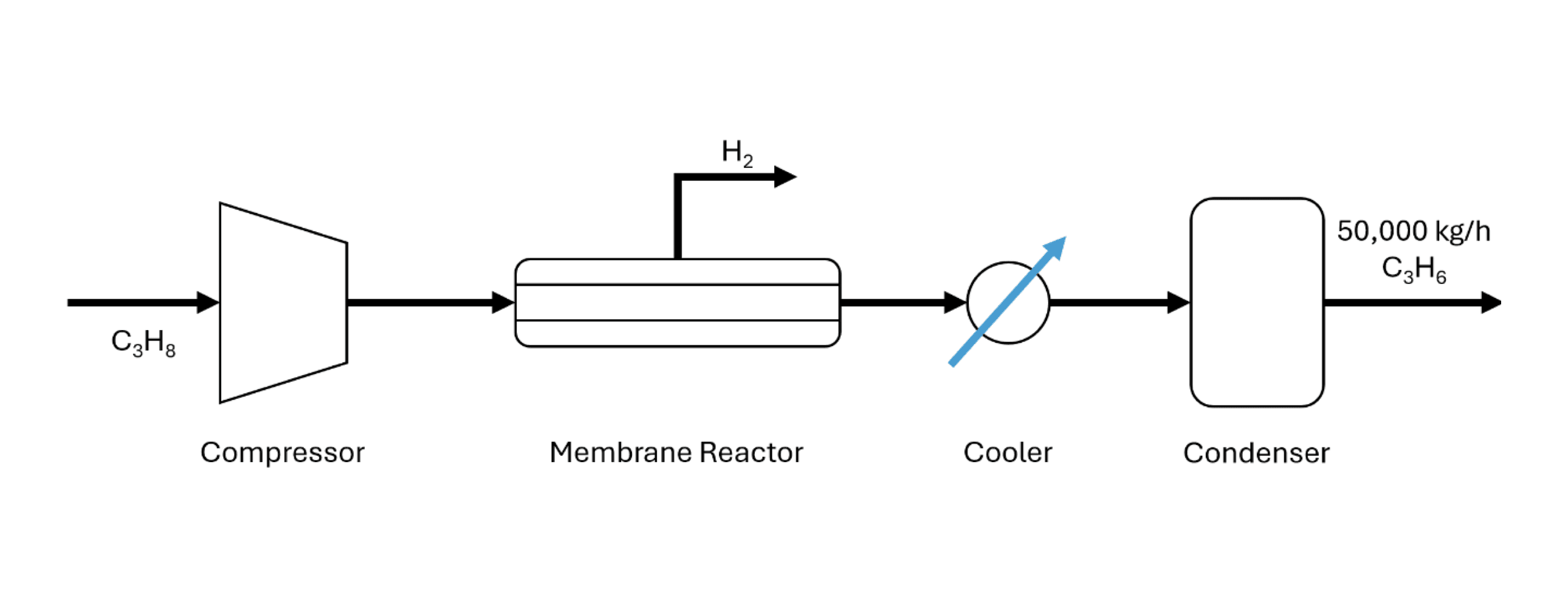
A new membrane reactor that turns propane into propylene had only been proven at lab scale. With three teammates, I costed out a full 50,000 kg/h plant in Houston versus Canada, from capital estimate through NPV and sensitivity analysis. Houston cleared an NPV of about $88M while a 30% tariff sank Canada, and we flagged Saudi Arabia as worth a closer look.
View project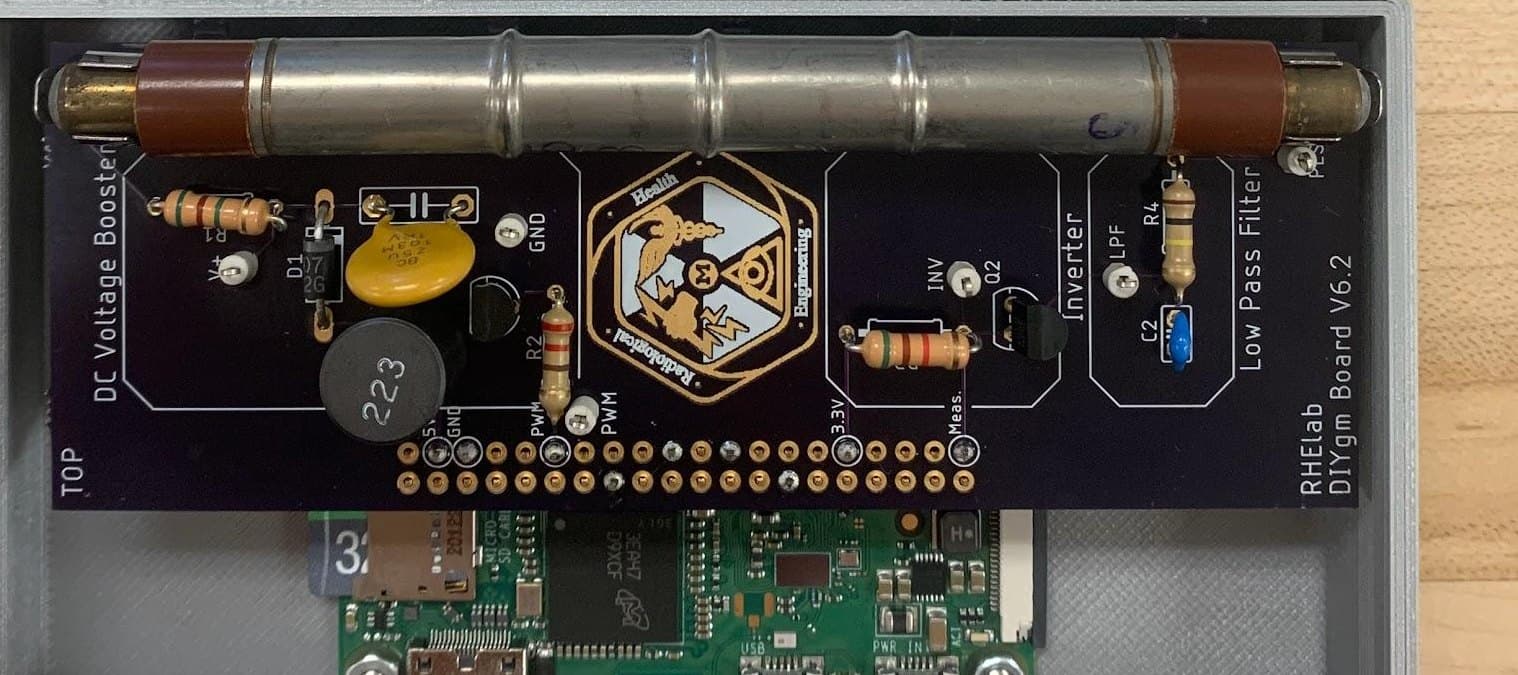
Freshman year, my ENGR 100 team built a working Geiger counter. We soldered every part of the board ourselves, wired it to a Raspberry Pi that counts radiation and sends the data over Wi-Fi, and designed a 3D-printed case and a team logo to take it into the field.
View project